
Henry kidman
-
Posts
5 -
Joined
-
Last visited
3 Followers



-
FFD on my Completely 3d Printed 16mm Film Camera - Looking for advice
Henry kidman replied to Henry kidman's topic in 16mm
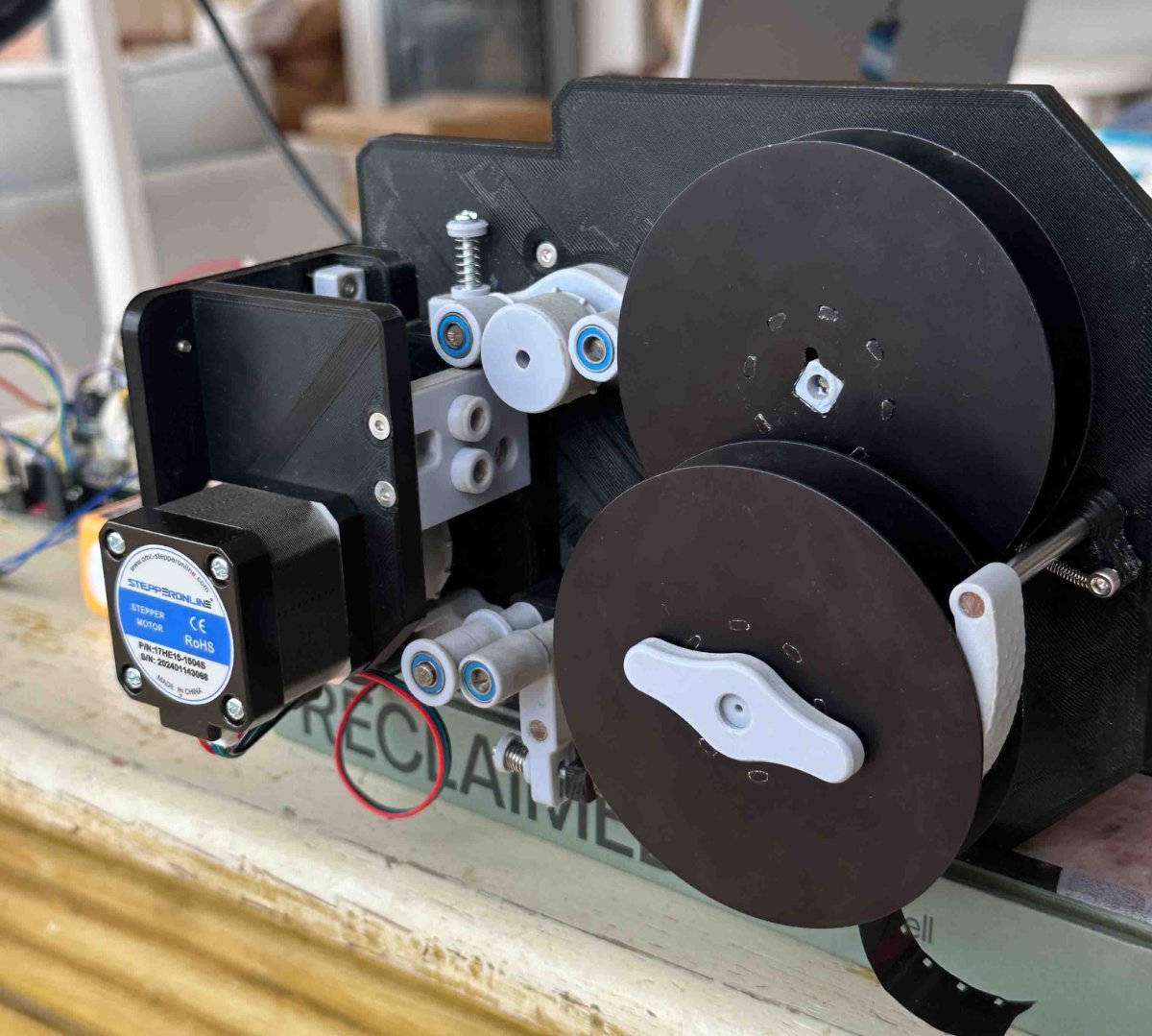
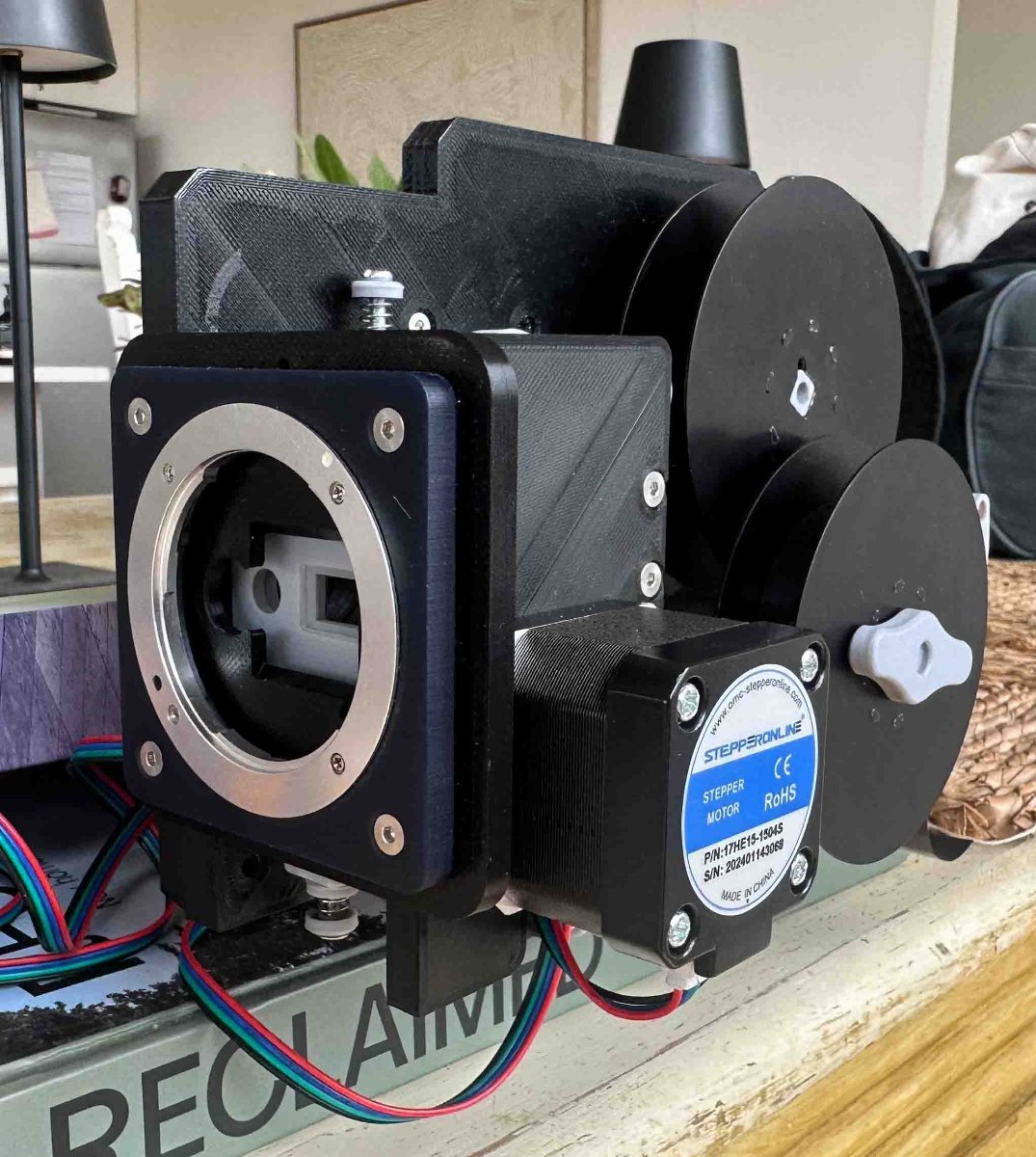
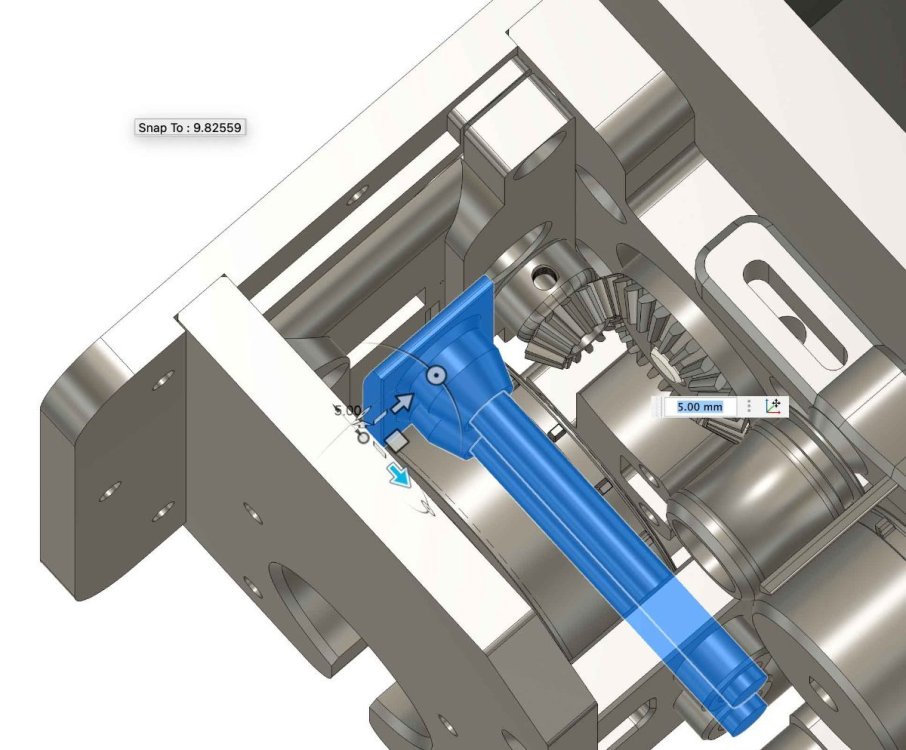
Hey Dom, Thank you so much for your response, and so cool that you are in Australia! I just got my self a depth mic, a gauge block and a piece of granite for something flat so lets see how i go! Do you have a link to where i can find some blank plastic shim stock, I cant seem to find any, just pieces that are already cut to shape. Yes that was my understanding when i used the k3, that the pressure plate was pushing directly on the film. My current pressure plate set up is a big janky, however it does hold the film with just a little bit of force, so it may work. I'm using this sprung plunger design, which is a product of implementing it in the design last, and now having to work around things. Its biggest problem is that there is a little bit of lateral wobble in it which I'm sure is not ideal, if it is causing too much trouble i will do a proper re design. Thats so cool that you have made gates out of steel, where do i go to have a look at these? did you machine them your self or have them sent off? Thats a good question about focusing. When i was doing research, many people were saying the view finders on the 16mm cameras (the more budget ones anyway) are not to be trusted for focus, so instead they suggested its best to use a tape measure and the markings on the lens. Whether this is true or not i don't know, however, knowing that people do focus just using the marks on the lens gave me the idea to ditch the view finder as it was a lot of extra complexity. I would love to have a look at your service department, I'm in Melbourne every couple of months for work so if you don't mind I might send you a message next time as it would be fascinating to see how you do it, and would definitely help me with my cam!!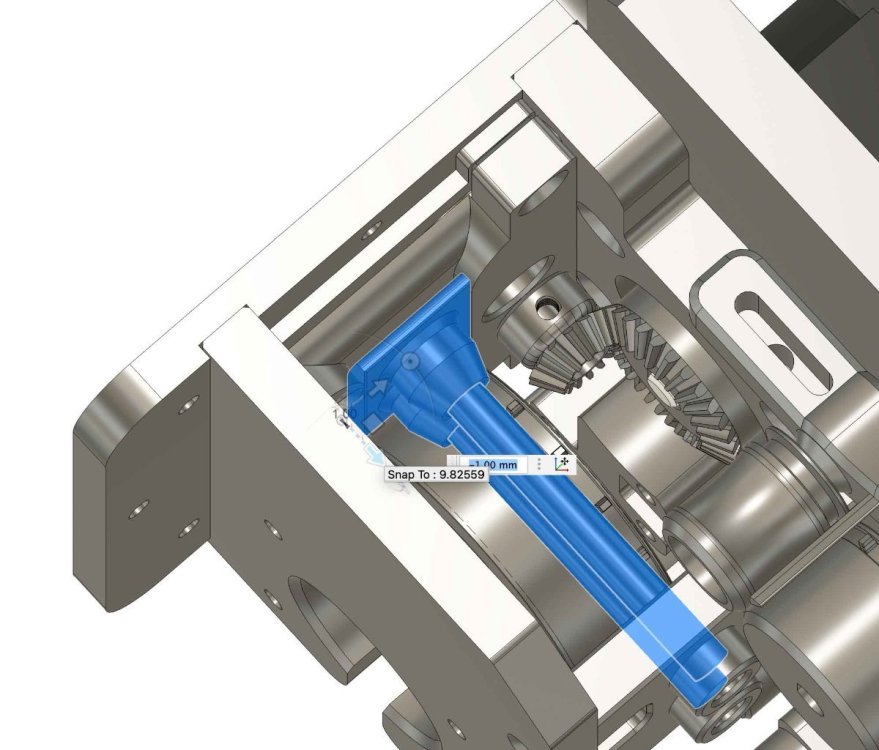
-
FFD on my Completely 3d Printed 16mm Film Camera - Looking for advice
Henry kidman replied to Henry kidman's topic in 16mm
That is very impressive! Who knows, it may come to the point that I need to send parts off to be done properly, however, the goals for this camera are very modest, it’s not trying to be better, or more practical then any of the other 16mm cameras available, it doesn’t have a view finder and it’s missing a lot of the other niceties. I just want it to take a nice clean image, and for it to be able to reasonably accurately focus. so we will see when I run some film through how far off I am from that. Depending on how that goes I might have to step off my high horse and get the parts machined!! thanks for the examples, they look very professional -
FFD on my Completely 3d Printed 16mm Film Camera - Looking for advice
Henry kidman replied to Henry kidman's topic in 16mm
Hey Aapo, Yes very good points. And I would agree, cameras made by companies with budget, knowledge, talent and machines that far surpass my own will obviously be better, however that isn’t really the point. I want to make one my self. A modern digital camera is objectively cleaner and more practical in every way than a 16mm camera, and yet here you are. There is a charm about the process and the imperfections. the 3d printing constraint isn’t some arbitrary challenge I have given my self, it’s out of necessity. I sadly don’t have access to a cnc machine, or the plethora of required supporting tools and knowledge, but I do have a 3d printer. Almost everything in the camera would benefit from being metal, but I’m curious how far I can make it with what I have. Borrowing parts from old cameras is a good idea, specifically parts like the sprockets where dimensions are very important, however, I have done the work to get these sprockets of my own to fit properly so I’m pretty happy with them now! And once again, I’m stubborn, I want to do it my self!! I would also have to disagree with electrical connections being less accurate than mechanical connections. We are constantly seeing mechanical links being swapped for electrical, think aircraft flight controls, throttles, electronic digital shutters. they offer many advantages, cost saving, accuracy and most importantly simplicity - fewer moving parts means less compounding play through small tolerance inaccuracy's. I also think 3d printing might surprise you now, it has come a long way, and whilst far from having the dimensional properties of metal, it’s pretty cool to see how affordable it has become to be able to print things with a resolution of 0.017 mm. if you have any tips on measuring FFD, let me know!! cheers, henry -
FFD on my Completely 3d Printed 16mm Film Camera - Looking for advice
Henry kidman replied to Henry kidman's topic in 16mm
Hey Tyler, thanks so much for your input. Yeah the timing of the shutter with the film movement mechanism was a little bit of a headache, but it now works in such a way that whilst they aren’t mechanically linked as each has its own stepper motor, the film advance sprocket waits until the motor has completed a specific amount of its rotation before it will move, this way it’s not relaying on perfect time keeping or complex mechanical links. yes I did fear the ffd would be the part of this that stumps me. With that being said, I have ordered a depth micromiter so I’m just going to try to get it dialled as best I can. If you were servicing a camera and the ffd was out, how would you adjust it? I’m sure that varies from camera to camera but is it a shimming set up, or are you adjusting set screws? and as for the pressure plate its interesting you say it’s not meant to apply any pressure on the film it’s self. So should I be making a tiny shelf that the pressure plate pushes against that is 0.15mm above the height of the gate so the film can just fit through the gap? One final question, if I were to purchase a piece of ground glass and place it on the film gate to be able to visually check focus while I’m adjusting the ffd, would the result be indicative of the result when using film as far as focus goes? -
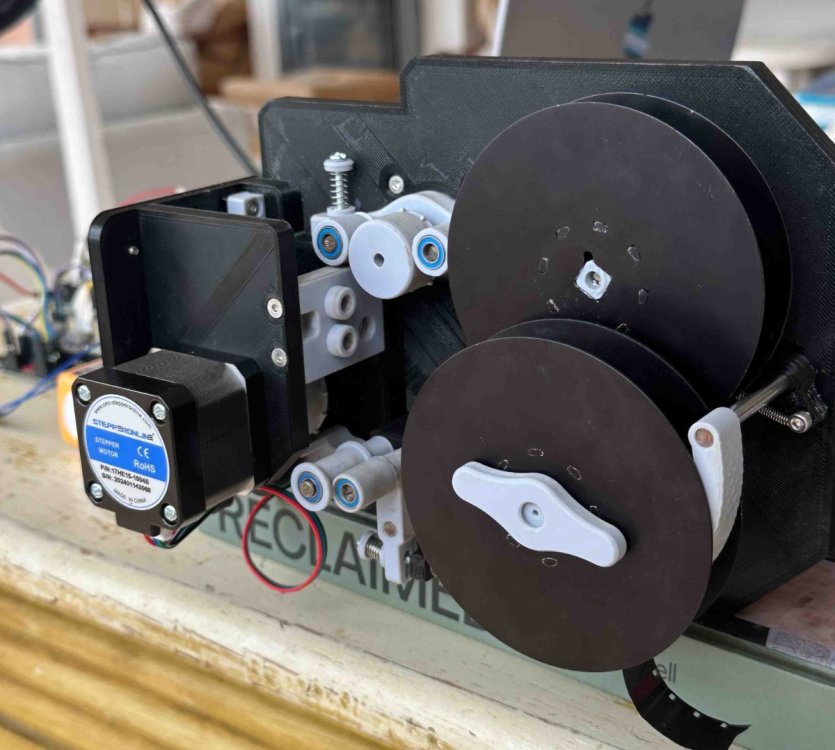
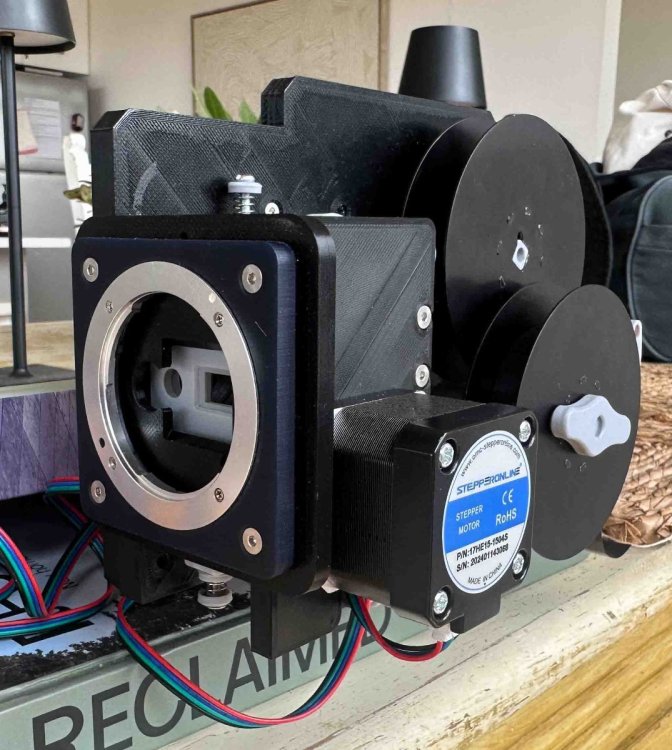
Hey guys, Firstly, I have only shot on film once, and I don’t own a camera, so forgive me if my terminology is not perfect! Im sorry if this is the wrong place to post this. im in the process of designing and building my own 16mm film camera. I have the transport reasonably sorted (ignore the take up spool spinning in the wrong direction and not at the correct speed, still need to code that part out), however I still want to refine the pressure plate and add a spring on the rail for lateral support. However, at the moment I’m trying to dial in the flange focal distance. I’m using a Sony e mount on the camera so it has a very short FFD of 18mm. I understand that the depth should be set a slightly short of that so it ends up focusing just past the emulsion. After reading, I’m thinking I get a depth micrometer and put a gauge block against the gate then take the measurement that way. Is a depth micrometer that does 0.01 mm fine enough or do I need to be investing in a 0.001mm? Is the depth micrometer the best way? How do actual camera techs do it? Also if you have any other tips for the camera please feel free to let me know!! I will link a little video of it running - Thank you in advance:) Henry