Search the Community
Showing results for tags 'lighting'.
-
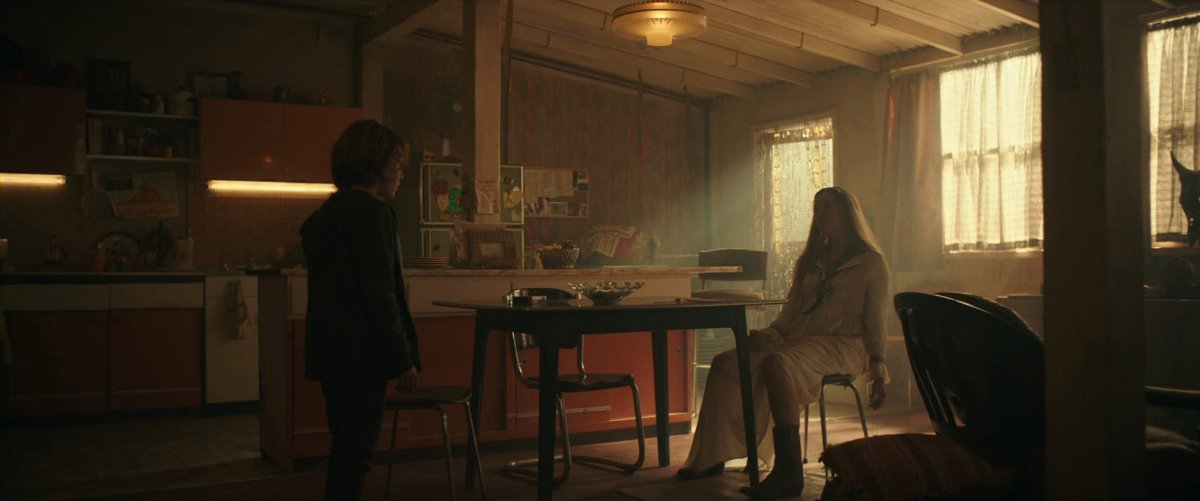
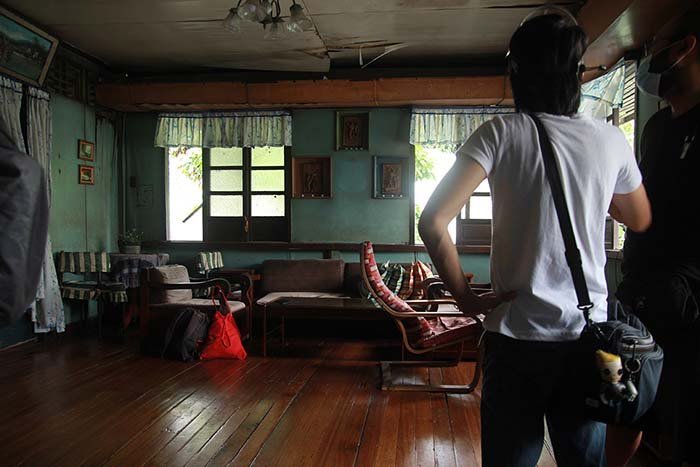
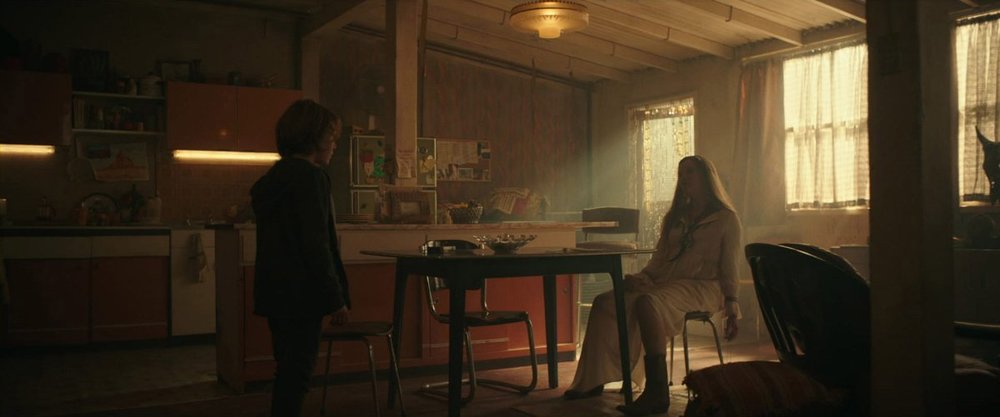
Hey guys ! I'm trying to light a hall with ambient light, similar to the still I've attached from the film Blue Jean. I was just wondering if anyone had any tips for this type of lighting. Are there any lights outside the window? Or is this all natural? For our shoot, we're trying to create ambient blue hour in the hall, so everything will be a lot darker, but interested to hear people's thoughts.
-
 Hi guys ! Just looking for some advice on an upcoming student film I'm shooting. It's an 8 page script, that all takes place outside a community hall during late afternoon/dusk. It's a single conversation, all in real time. We have the budget for a 2-3 day shoot, and the director is very adamant on shooting during dusk/close to blue hour, however the producer made it clear that's unrealistic, due to lack of time. So, it's my job to try and fake the look during the day. How do DoPs usually deal with shooting a long EXT. sequence like this, that doesn't involve scheduling for the 1hr of correct light everyday? Luckily, where we're shooting in the UK it's often overcast, providing a nice, soft source which is what we want. I'm just worried about the colour being convincing, as I don't want to leave it to the colourist. I was just wondering if anyone had any advice for dealing with this situation? I just want to make sure skin tones look accurate, and not washed with a blue tint in the grade. My other worry is if the weather is different across the 3 days, as we won't have much equipment other than some frames of diffusion to soften sunlight. I wasn't sure whether altering the white balance throughout the day would be worthwhile, as I imagine matching shots in the grade would take forever and not look great. Also thinking about using a blue filter to try and get the look. I plan on shaping the light using Poly and Neg. Please see some reference stills below. Any advice will be much appreciated !
 -
I am going to use a green screen to create video of 2 people dancing to be superimposed in a scene with 2 other people dancing. I am an amateur/rookie at this. I bought a 13x8 Westcott x-drop green screen for the project. Can anyone suggest lights by brand and model if possible for lighting the screen? Also, if I want to use lights I already have, is it better to use LED, tungsten, fluorescent? And do I need shadowboxes? Any help would be appreciated. Thanks.
-
 Hi, before we start, my main lighting inspirations consist the Hannibal tv series, Euphoria, and the works of David Fincher and Rina Yang for having an ambient based exposure with top or backlight, and movies such as Mandy, Suspiria (1973), Only God Forgives, and the works of Vittorio Storaro and Benoit Debie for having bold splashes and tints of color. Basically I'm trying to compile a set of gear for achieving stylized lighting of a set and my method was to mostly lean on practicals or supplemented practicals with a top light for ambience with a hard backlight. Keep in mind I have only so much power to work with as I'm putting all of this in my car with a small generator so basically I'm limited on space and power and those are my major cost factors for me as I need the space for other things as if I had all the space and power in the world I would probably just use a bunch of arrimax 18ks, Wendy lights, softsuns or God knows how many digital sputniks but I don't have that so I have to make sure with what I can do. For the film lights I would make sure that the company provided photometrics actually line up with the claims made as for equivalency and my source for verification was Arris photometric calculator as I could input distance and approximate beam angle to see what the actual equivalents are. The lights I have chosen for my kit are there to fill in roles for other equivalent lights but at lower wattages and with hopefully good light quality and not just output. And keep in mind these lights would be in near constant rotation in terms of what role they would be playing on set. Also, another factor would be how well I can rent them or resell them for which is why I'm looking at the lights here. 1x hive wasp plasma par 1000 (equivalent to an Arri m18 and considering that light is reputed to be brighter than some 2.5ks it lives up to that but it's nowhere near a 10k tungsten like once claimed at trade shows and on some sites by hive) 1x prolycht orion 675 w/ fresnel (it does seem to line up to the claim of being roughly equivalent to a 5k tungsten if just below it and it lines up with an Arri m8 so I'm satisfied). These would be used with the lightbridge crls c100 kit 2x litepanels Gemini 1x1 hard (these didn't make equivalent claims but according to their company provided photometrics and beam angle they seem to line up with a 400w hmi like a joker with the frosted fresnel lens) Practical/other film lights 1x astera titan 8 light kit 1x astera helios 8 light kit 2x astera nyx 8 bulb kit with impact octacool fixtures 2x litegear literibbon cine five 5m And the full set of rosco Storaro gels. If there are improvements I can make on this let me know.
 -
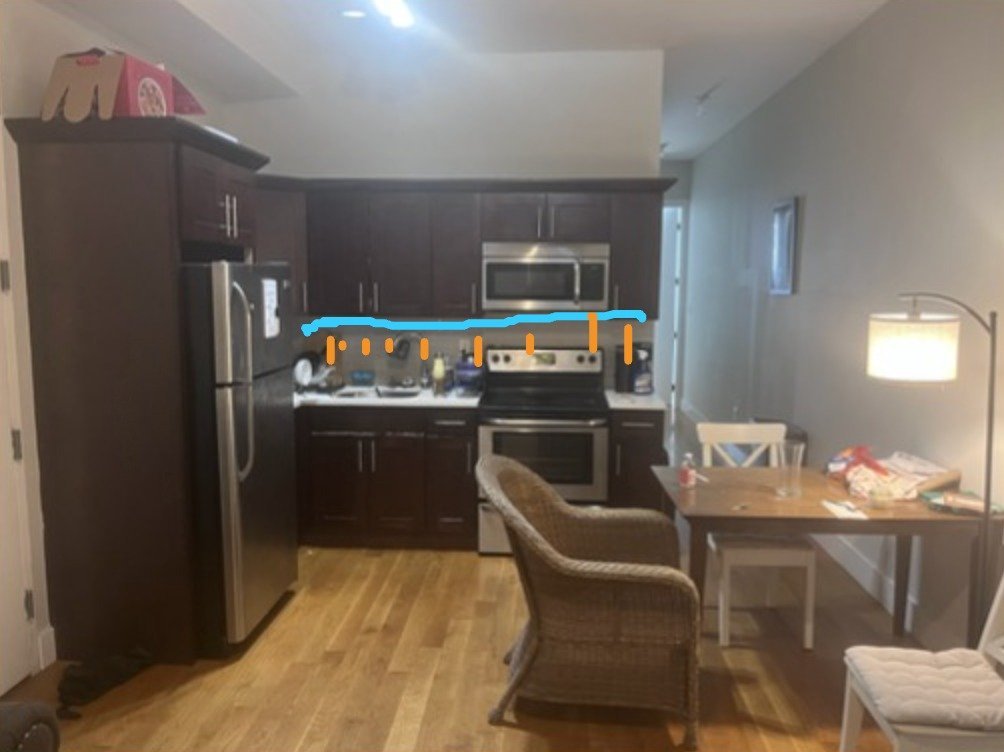
 I need suggestion for Stove top lights which would not be visible in front of camera. Something like LED Strip or Thin light which does not flicker.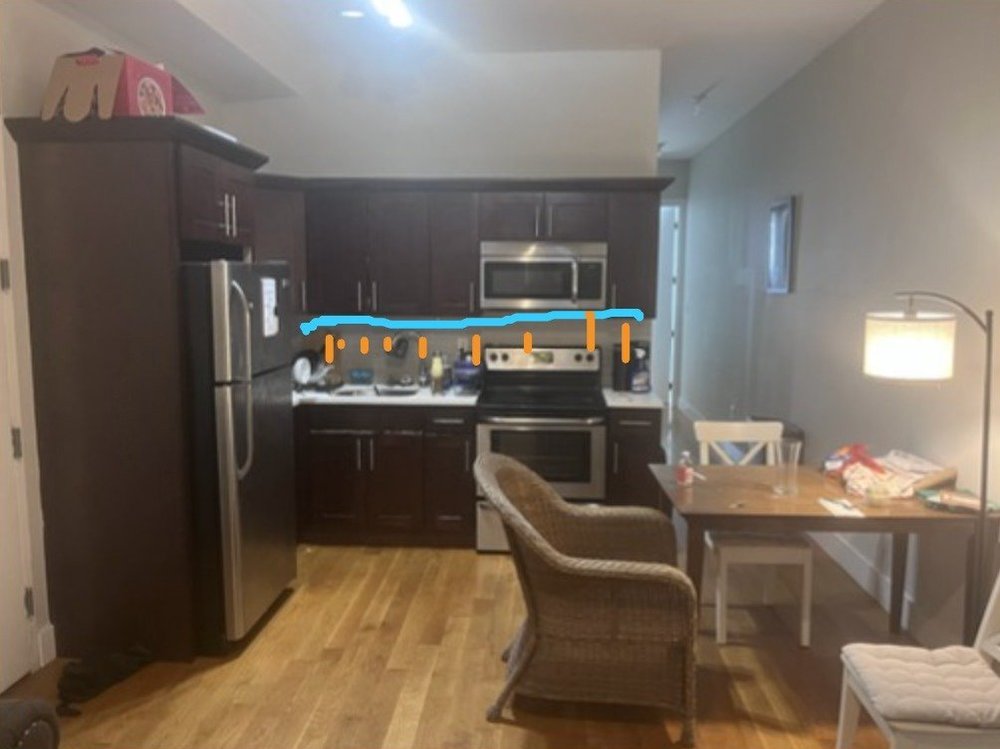
-
What the title says. I was reading interviews on the behind the scenes of nomadland and the cinematographer, Joshua James Richards said he used natural light most of the time but brought in lights like litemats when needed, which in the context of an expansive freeflowing style such as Richards, how do you make that work? Where would the light come in? How do you make it work with natural light? I know some cinematographers like Fraser or lubezki feel you can't as they've expressed in interviews and that's why within their work they prefer to shape the natural light whenever they can. But another I wonder with using litemats to supplement natural light is because of how bright the sun is, wouldn't you need powerful lights to match that? Litemats are efficient but I wouldn't say they're particularly powerful, how do you make that work?
-
I am preparing to film a scene which involves two characters wandering around a large family room while daylight pouring in from nearby windows continually shifts from cloudy to sunny to sunny to cloudy. Imagine an overcast day where the sun peeks out for a moment and is then obscured by clouds once again. My questions are: Would it be more advantageous to film during the day or at night (at night so that I have complete control over the light fixtures)? Am I to slowly dim the lights or introduce and take away diffusion? A grip friend proposed that I could create a very long shower curtain of various diffusions to pull in front of lights stationed outside the windows. My lighting equipment consists of: 4 redheads 2 blondies 2k fresnel 750w Ellipsoidal 1k 64 PAR Aputure 600D Hive Wasp PAR I appreciate any help. Thank you!
-
So I was thinking back to something @David Mullen ASC said on one of my posts awhile ago, about the "the desire to spend a lot of money to own a lot of lighting equipment" and looking back, it brings up something i haven't considered and kinda accepted as a yes uncritically, and thats whether cinematographers should even aspire to own lighting gear. I took it as a yes owing to online spaces beating the drum that cameras aren't important but that lenses and lights are, "Invest in glass and lights" they say, which isn't completely wrong, but just kinda misleading as people say this, but then when pressed on what they mean on lighting, they always mean lighting gear (either in the individual fixtures themselves or in how many fixtures) that is really only good for interviews or really small spaces and not in any filmmaking scenario that takes in larger spaces (as it would defeat the idea of the Ultra portable lighting kit you can have with your personal little camera bag and take with you around the world like all of those travel vloggers), as from the past year I've been seeing lighting setups and the conclusion I've come to is that the amount of light needed is heavily underestimated by alot of amateurs, including myself. I can only see someone hitting ceiling after ceiling with lighting gear and going for more and more in response, which then I ask, why bother? Why not avoid the hassle and just stick to renting what you exactly need? I always answered this to myself by saying that maybe the rental outlet may not have what you exactly need or in locations you may not know what availability you will have access to, hearing about Roger Deakins expansive use of maxi brutes or Sean Bobbit's of six 18ks for a gymnasium really sobered me on this, making me take a step back on whether to really go for an extensive lighting kit to own, even if i was going to rebt it out, let me know your thoughts.
-
Hello, so I want to have a set of rgb lights like astera titans I can use as practicals to replace existing practicals but the problem is that it seems like it can get very expensive very quickly, even using cheaper RGB tube lights like the quasars, nanlites, or amarans, so I want to go about this so I only get what I need. So that leaves me asking to anyone that has done this, how many lights did you use to replace practicals on location or set? And before you ask, I'm not sure the rental houses in my area would have a sufficient amount of titans or any such light for this, so please help.
-
Hi, can you fold say a 12x20 or 20x20 piece of unbleached muslin to use on a smaller frames like a 12x12 or 8x8 or 6x6? Also, I was thinking of having a kit of lights I could use as practicals like astera titans or NYX's to replace existing practicals, the problem is scale, I realize I would need way more than a single kit of each's worth so that leaves me asking, can I get away with gelling practicals with color gels for that effect?
-
1.how big of a space could I light with 2 2.5k hmis and 2 1.2k hmis? I found 2 lights that are equivalent to those and I'm curious how well it would work in terms of versatility for lighting spaces with top light for ambience and hard ba, this would be done in tandem with practicals, speaking of which. 2. For a practicals heavy lighting setup, how many 4 foot tubes like astera titans, how many light bulbs like astera nyx, and how many feet of flexible strip like litegear literibbon xq chroma cine five should I have in my kit to light a large room or space that would use florescent tubes or light bulbs or flexible light? And before you say I should just rent for the project or go to a home depot, 1, the rental houses in my area don't have everything I need, and 2, I'm willing to bet that your average home depot or whatever would have crmx compatible RGB led lights, or if so, in what I want. Also, if you can't give me an answer for this, could you tell me the average size of a club, an office, and the most amount of light bulbs you've seen in a place? 3. Can I use a fabric for a larger frame like a 8x8 and use it on a smaller frame like a 6x6 or 4x4 by folding it? 4. Can I get around the issue of a parabolic softbox not being an inward lit device by using muslin on the front? The main issue I know of on a parabolic softbox is the light is 1. Not inward facing, and 2, is not focusable, I suppose you could use a fresnel to solve the focus issue but I know one of the things that makes the parabolic softbox kinda pointless is the it's usually not lit inwards, considering muslin not only diffuses but bounces (the entire point of the cove light), could I use that instead of magic cloth and have at least some of the light bounce inwards onto the reflector part and would we then have the parabolic softbox that is actually useful? Could this apply to any softbox with a silver reflector like a lantern?
-
Hi Folks, I got a Desisti 1200/2500 hmi head and ballast, it had a open door fault/bulb disconnect fault showing on the digital read out on the ballast. So on investigation the door open switch wasn't sprung or opening the switch, I looked inside and as expected. The spring had came of the door switch. I repaired this and plugged the lamp head in to the ballast thinking all would be well however the fault still shows up which is definitely been repaired. I wondered do I have to clear the fault in the ballast software to get it back up and running. The ballast and light are in like new condition and ran perfectly before. If anyone could shed any light on this it would be very much appreciated. Link below to video
-
I know it's a softbox light that uses bulbs but I would like to know the specifics of the construction of it, like how many bulbs per light for example. So if anyone could give me a rundown on what it is and required parts that would be nice.
-
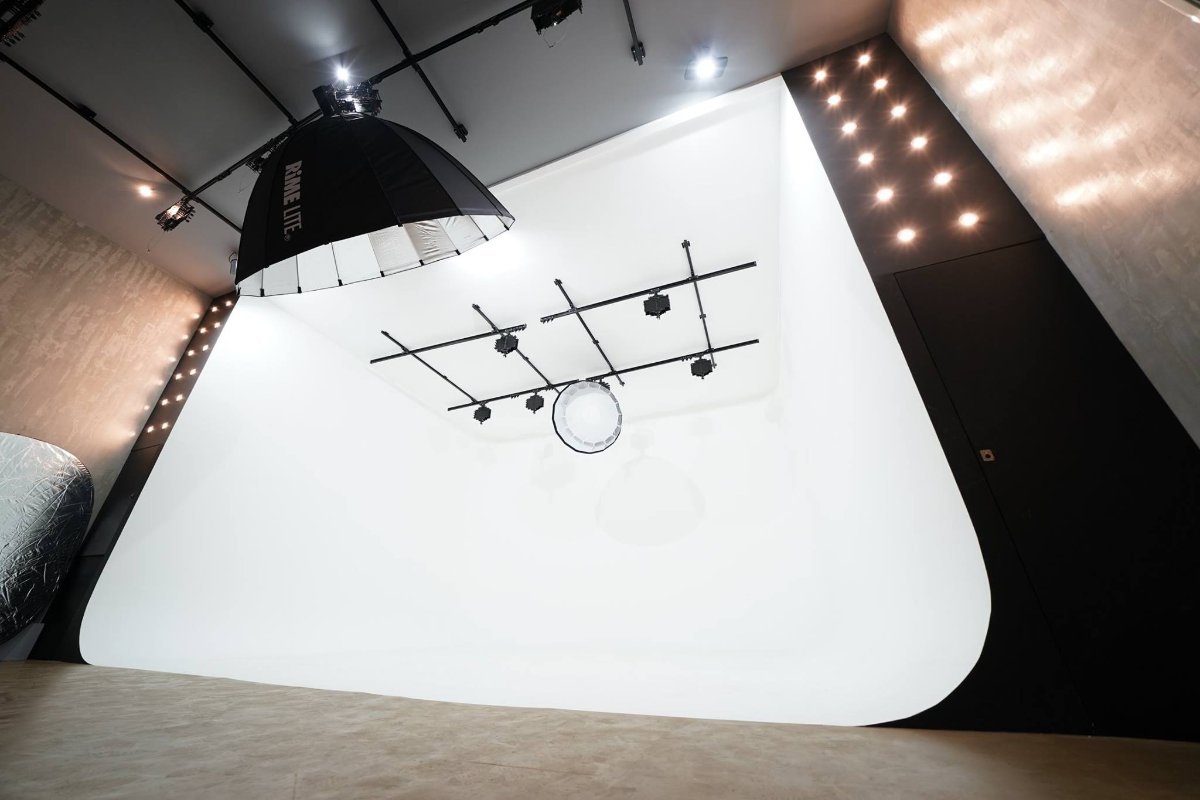
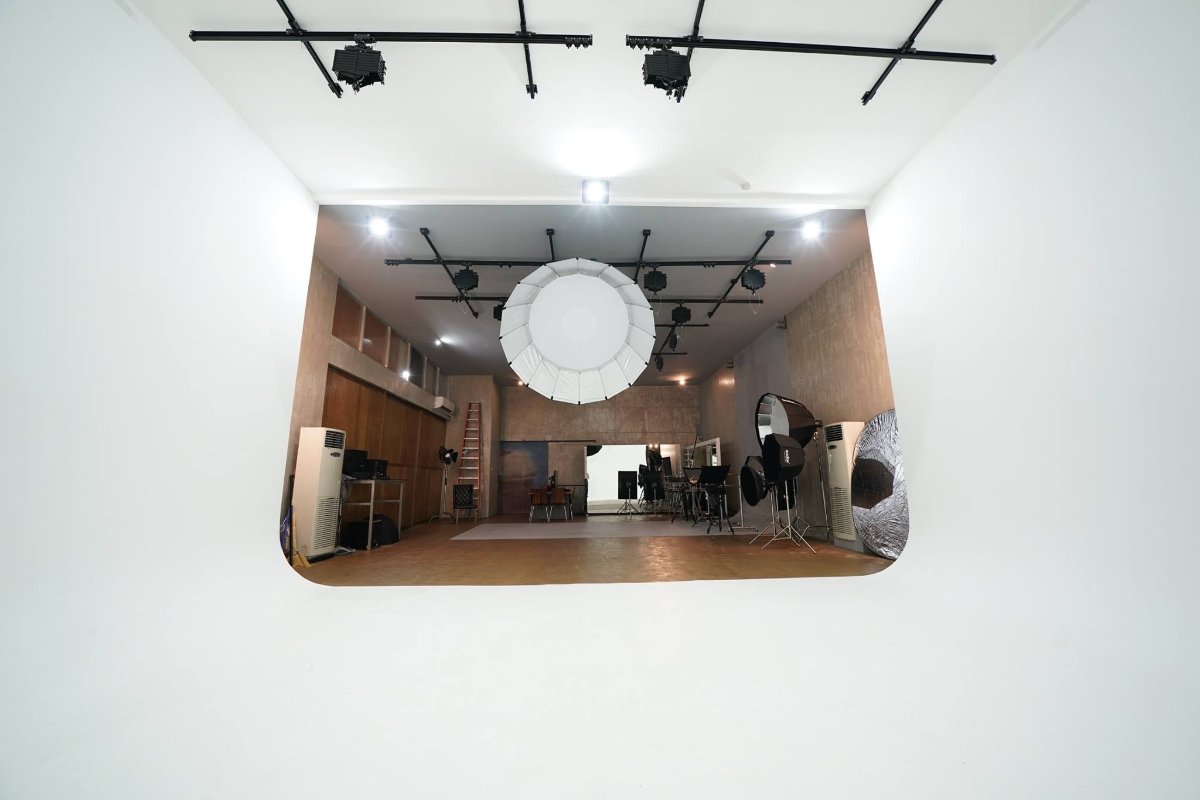
 Hi! We’re shooting a studio shoot scene in a studio with a white void backdrop. The white void backdrop will be high-key and very soft like this (the 2nd photo is the actual location of the shoot): We will also shoot the reverse shot of the white backdrop which will have actors acting as crew, there will be around 8 actors. 2 main actors (director and assistant) in the front and the rest are acting as crew members at the back. While the white void backdrop is high key the director and crew area will be low key and high contrast. The director wants it to look like this: Basically he only wants the front part of this area to be well lit while the back is just dark. I’m thinking that the motivation of the light will be the “bounced” light from the white void backdrop so I’m thinking of putting a 300 watt or 200 watt led light with lantern diffuser situated from the side lighting the actors. (Other than a lantern diffuser, we have an Octabox, 12x12 butterfly diffuser, and a diffusion cloth for our options for our lighting modifier.) I might also put a backlight for the two main actors in the front for their hair light (situated close to them so it looks like it’s coming from the side, not from the very back which is supposed to be dark). I’m worried that if I put a light from the side at the actor’s level, the fall out of the light will still be strong that the back of the studio will still be well-lit or can I solve that by using flags to shape the light? Or I should just make sure the light from the 200 watt or 300 watt led light won’t be too strong so the fallout of the light reaching the back will naturally come out dark? I also have an option of rigging the light from the ceiling, angled towards the actors so the back won’t be lit as much although I’m worried that it will be obvious that it’s a top light, not light “bouncing” from the strongly lit white void area. Or instead of directly lighting the opposite side of the white void area, I'm thinking that I can also just bounce a naked strong light (will a 300watt suffice? apart from the lights that are already rigged in the white void area) onto the wall of the white void area to light the crew area. What do you think?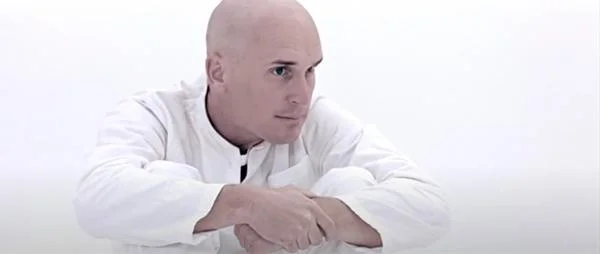
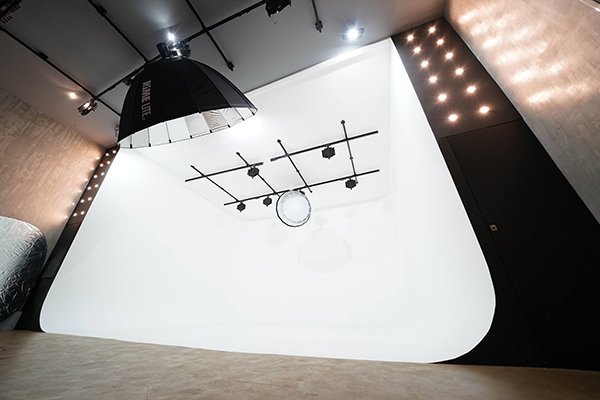
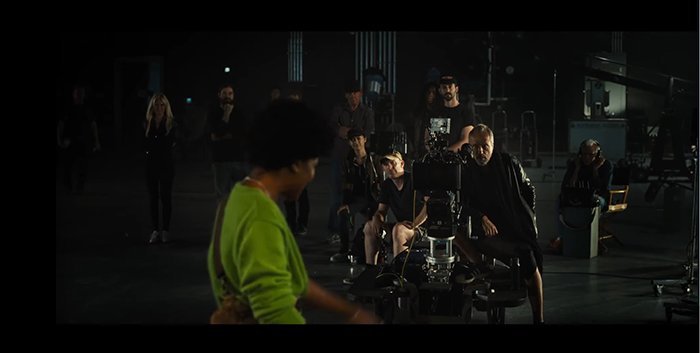
-
Hi! We’re shooting a white void type scene in a studio. An example of a “white void” scene is this. It won’t be completely a “white void” as the scene will reveal that it’s shot in a studio with a white backdrop. The studio looks like this. What is a nice way to light this kind of scene? I’m thinking of lighting the studio backdrop with lights with soft boxes or lanterns from the ceiling directed below and at the back of and sides of the backdrop then 1 light each with a huge soft box situated outside the “white void” on opposite ends (for the actors). For the lights outside the white void, will a strong light with soft box be enough or a strong light with a huge diffusion cloth be better? To achieve a soft almost no contrast lighting in the scene, I know I have to fill as much as shadows as possible but will there be a risk of it looking too flat? Or should I just meter one side of the face of an actor just to make sure that one side of the face is a bit darker than the other? Honestly, I think it wouldn't be that very hard to light this given that the backdrop is already white so all of the shadows are easily filled in. But still, it's my first time to shoot and light this kind of scene and I would just like to know if there are any precautions and tips you can give me. Thank you!
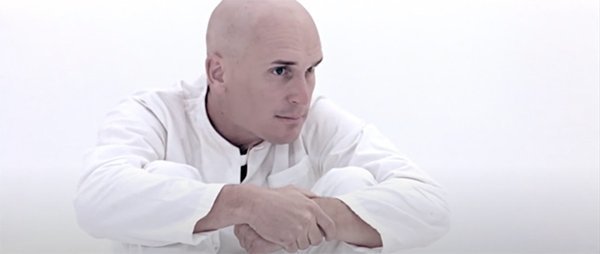
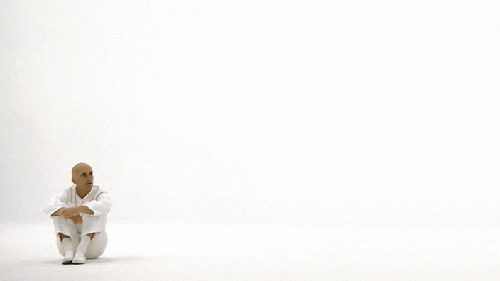
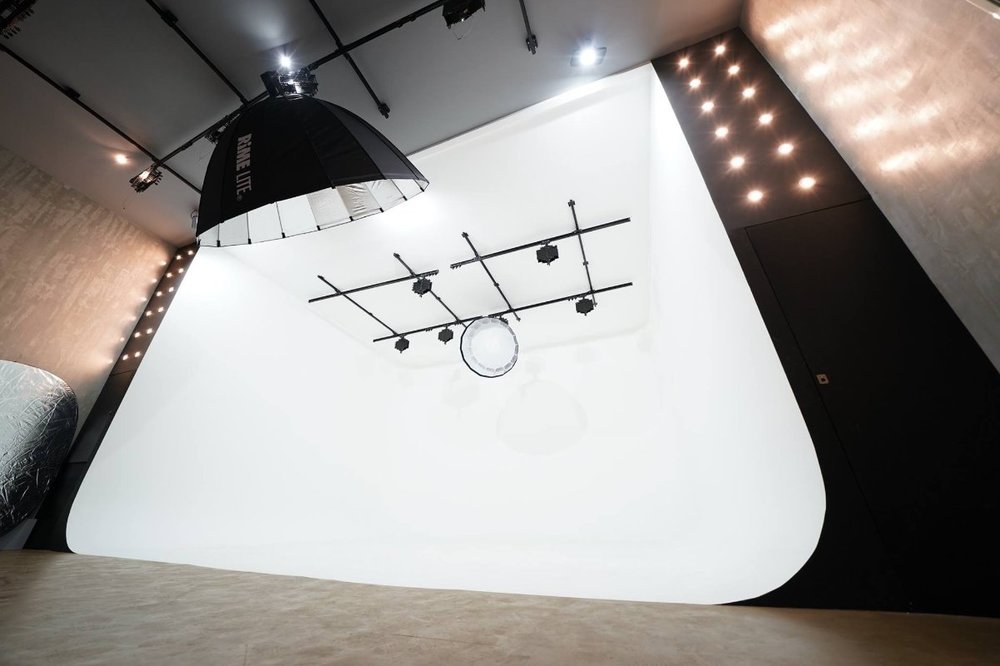
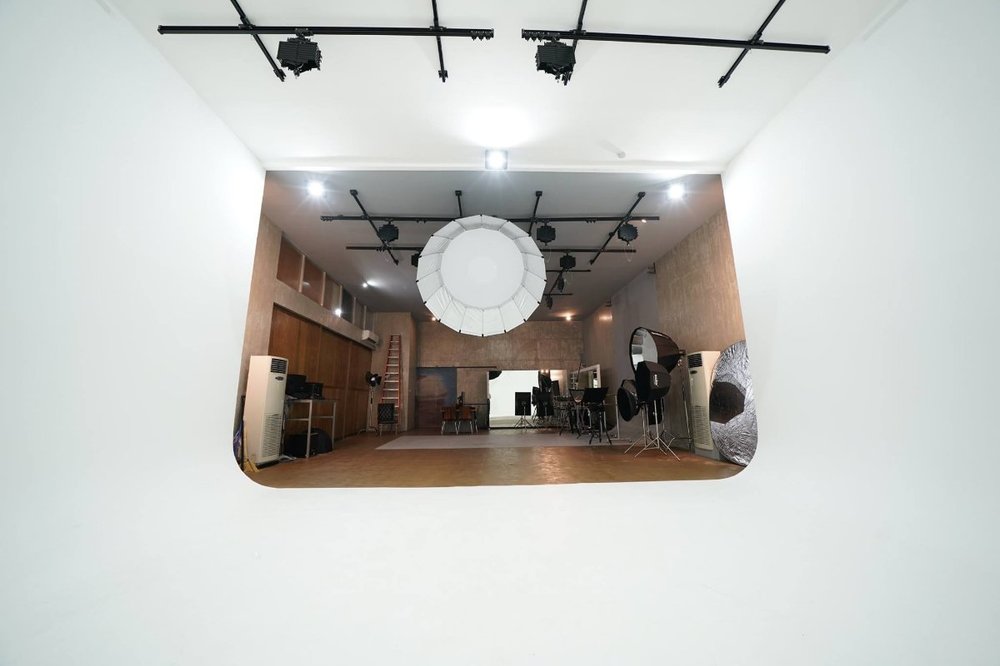
-
LiteMat 4 Hybrid LED for sale. This is the original Litemat 4, very versatile light!Includes all original accessories, including three fabric diffusers, plastic grid attachment and yokeIn very clean condition, works flawlessly. https://newyork.craigslist.org/brk/pho/d/brooklyn-litemat-hybrid-led/7443020827.html NYC pickup preferred, but I'm open to shipping at owners expense.
-
Below is a link to stills from a recent film I worked on as DP. The film is a comedic coming-of-age type film It was shot on the Arri Alexa with Zeiss CP.2 lenses. Primarily lit with Skypanel S60s and Arrisun 1.2k HMI Let me know what you think! https://imgur.com/a/6sAQyL3
-
This topic seems to appear in this forum every year or so but I've not quite found a definitive answer for myself. Since full on production does not seem to be coming back too soon I thought it would be a great time to think about optimizing. Some people seem to not do any diagrams at all, some jot them down crudely on a piece of paper, some use Shot Designer or some sort of drawing app (OmniGraffle and Illustrator seem to be the options of choice). For really specific setups or on big shows Vectorworks seems to be a great option. If you need to do pre-vis as well, Maxon Cinema 4D might be a great choice. I've tried most of them and it seems that there's always a tradeoff between specificity and the time it takes to create the drawing. When you go into the 3D realm, there's a steep learning curve and it feels like this should be somebody else’s job. In 2D most options seem to lack rigor; I've had gaffers ask me "What's the yellow circle with two lines?" (the symbol for female in Shot Designer). Plus, there seems to be no way to import an architectural plan or dimensional drawing of the location properly. At the moment I'm using Photoshop, for which I've created about 400 scaled assets (10cm=1m / 4"=4') based on manufacturer's dimensional drawings. It can be a bit clunky at times but it saves me a lot of guesswork in cramped locations trying to figure out if something will fit. I'm trying to figure out what people are using in what types of productions and for what reasons. I'm thinking of developing an universal Web App that bridges the gap between sketch and technical drawing. Besides neat and slightly compulsive diagram creation, I'm looking to hear what other features people might want for a 2D lighting planning app. At the moment I'm thinking of the fallowing tricks: · Open Source Database · Generates basic kit lists based on items used · Basic photometric information in SI and US Customary Units · Calculates total maximum power draw of setup for either 110V or 220V · Calculates camera field of view based on sensor size and focal length. I’m attaching a basic diagram I’ve created with my assets, I’d love to hear what everyone thinks about the style and specificity. I’d also like to hear if this a non-issue and if I’m just over-analyzing with all of this time on my hands ?)
.thumb.jpg.f0cd5cc50fcdeab8224e8b2e8c661a85.jpg)
-
Very Long shot: Free Silhouette Light with stand. Rank Strand folding brace strand. Fairly huge, unknown condition. Presently in the trash. You would need to get here with transport before it goes. Otherwise a great opportunity to get a lighting fixture and stand. If you get here and its gone I cant magic it back so its a matter of acting fast.
-
 I recently shot a superhero film and was looking for feedback on the lighting/camerawork When filming, I was going for the style of something like "The Boys" more of a gritty look. Let me know if you think it works or if there's anything that could've made it better. https://imgur.com/a/xKSn29I Specs for those interested: Lit with: Arri Skypanels s60-c Arrisun 1.2K 8x8 Silk Frame Shot on: RED Weapon 8K
 -
I will be shooting some scenes in a living room with frosted windows. When I checked how the living room looks like with my camera, the frosted windows result in overblown highlights. The director wants the scene to look like this: I plan to light the room from lights outside through the windows and to lessen the brightness of the frosted windows I'm thinking of putting ND gels over them but I'm not sure if that will help because I will still be lighting through them. Is there a better solution for this? Should I just lessen the overall exposure of the scene with the camera and compensate with another light inside the room (which I will still be adding anyway). I hope my questions make sense. Thank you in advance ?
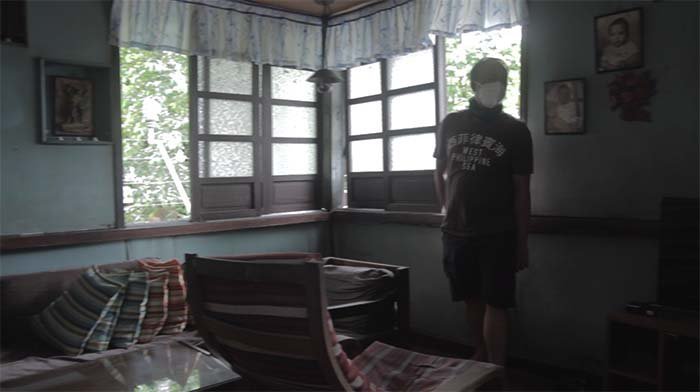
-
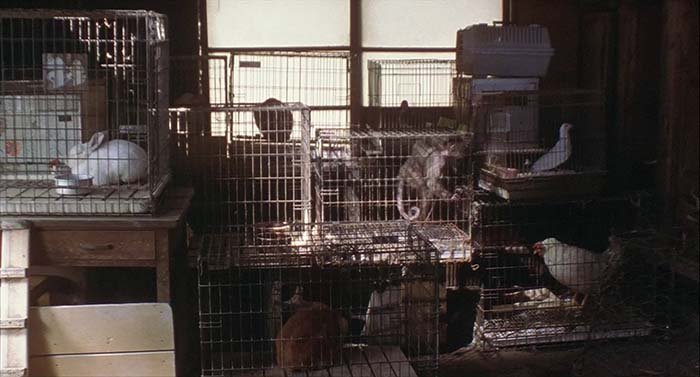
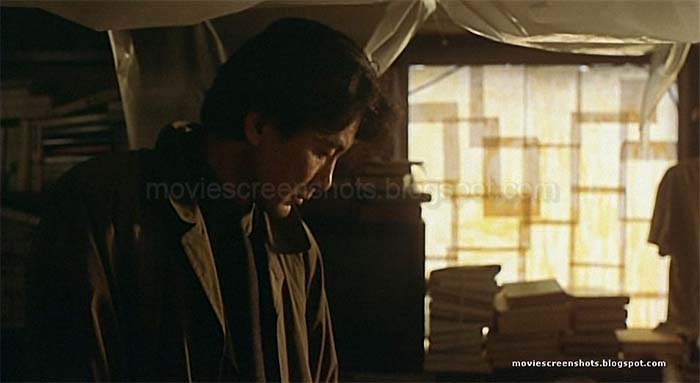
Hi, I just have a question about the flourescent-type lights used in the underground bunker scene in Parasite. They give off this greenish cast or tint in the shot and I’m wondering if that’s the color of the lamp itself or was it given a greenish cast by adjusting the color temperature in camera or was it given that color through color grading? I plan to incorporate these type of lighting as accents for a small hideout room scene for a short film. The room is going to be lit through a window (a window with a black screen, not glass) and exhaust fan. I plan to haze it with a haze machine to make it look dusty and dingy and to make the light rays from the light outside pop. That’s why I’m hoping I could get the green effect from the light itself so the color temp of the practical light is distinct from the light rays of the “sunset light” outside which is supposed to look warm. Maybe I could get the similar greenish tint effect with a specific tube-type light or a flourescent light that gives off this color. Basically, the shot is supposed to be a combination of the shot above from Parasite with this two shots from Cure:
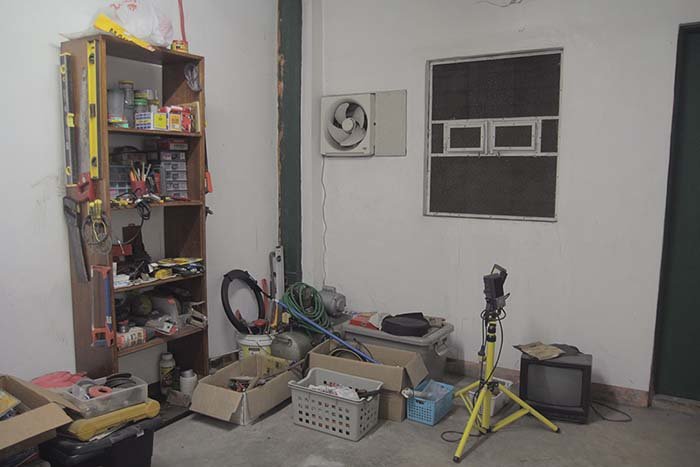
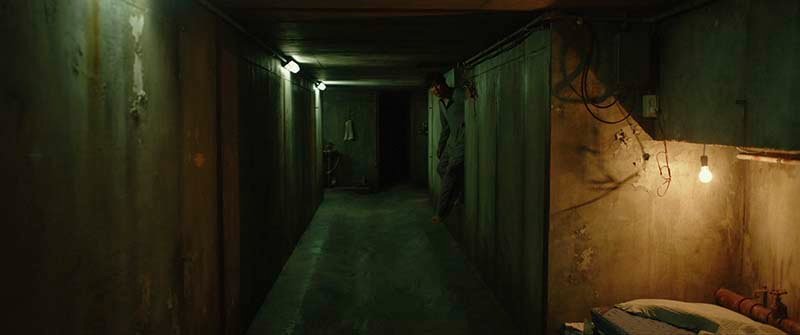
-
How to replicate sunlight with Artificial lights? How to control it? Which type of lights are mostly used for this? Please suggest.
-
 ARRI Studio Ceramic 250 Hi Guys I am interested to hear peoples opinions on this light it sounds like something that would be very handy to have in my kit. It seems to have a built in ballast and the bulbs can be swopped between a tungsten 3300k bulb to a hmi type bulb with a 5500k temperature. They power usage is 250 watts and has a light output the equivalent of a 1k tungsten. They sound to have a lot versatility and they run cooler temp wise. But am i missing something here. Why are these not that popular, fair enough they are an older light fitting buti have never seen one of these on set or in any hire houses? The CRI is 90 is this the reason. I d love to hear opinions on this light the pros and the cons off anyone who has used them. I am considering buying one but dont have any where to hire it from to test one first.

.thumb.jpg.79369da59c0c9d8dbabb45f178b6f21c.jpg)

.jpg.886cef5ed6d4f28b9cd889602d3bce7f.jpg)